
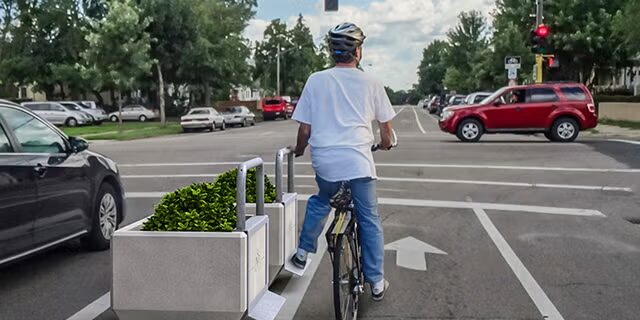
Phoenix continues expanding its bicycle infrastructure with painted lanes, protected lanes, shared pathways, and neighborhood greenways. Cyclists frequently ask whether these lanes offer real legal protection during accidents. The belief that staying inside a bike lane guarantees safety or shields a cyclist from blame is common, however Arizona law evaluates bicycle accidents based on conduct, roadway behavior, and driver responsibility rather than the presence of a lane alone.
Understanding how liability works in bike lane crashes is essential for riders who use busy streets across Phoenix including Central Avenue, 7th Street, Roosevelt, and high traffic corridors where drivers often drift into bike lanes. Many cases reviewed through our cycling injury claim page show that bike lanes improve predictability but do not automatically prevent accidents or resolve fault questions. This is why cyclists rely on LLG’s legal guidance after attending one of our community safety events during Arizona festivals where we regularly explain cyclist rights and infrastructure responsibilities.
The following sections clarify how Phoenix bike lane laws work, how responsibility is assigned, and what protections cyclists actually receive when injured by careless drivers.
How Arizona Defines Cyclist Rights Inside Phoenix Bike Lanes
Arizona treats bicycles as vehicles, meaning cyclists are expected to follow the same general traffic rules as motorists while receiving additional protections when riding inside designated bike lanes. Phoenix adds further local regulations requiring drivers to yield to cyclists in bike lanes and maintain a predictable separation from marked cycling areas.
Bike lanes create a dedicated operating space for riders, however the legal protection they offer depends on how clearly the lane was marked, how traffic flowed, and whether either party violated roadway expectations. Cyclists often misunderstand this and assume that being in the lane automatically assigns liability to the driver, yet Arizona courts evaluate every action that led to the collision.
When unsure how the law applies to your situation, you can use our consultation form to request advice about preserving evidence and understanding your rights after an accident.
Key legal protections for cyclists inside bike lanes include
- Drivers must maintain a safe passing distance when crossing or merging
- Motorists must check rear and side surroundings before entering or blocking a bike lane
- Cyclists retain the right to proceed when traveling straight through a marked lane
- Drivers may be liable for door opening hazards near urban bike lane corridors
These protections exist to reduce predictable hazards, yet unsafe driver behavior continues to undermine cyclist safety across Phoenix.
Common Causes of Protected Bike Lane Accidents in Phoenix
Even with designated lanes, Phoenix cyclists regularly encounter drivers who fail to respect lane boundaries. Many collisions occur in areas with high turning traffic, congested intersections, or multilane roads where drivers cross bike lanes without proper checking.
Frequent causes of bike lane crashes include
- Drivers drifting or merging into bike lanes during traffic congestion
- Failure to check mirrors before right turns or driveway entries
- Door opening incidents along downtown parking corridors
- Speeding vehicles entering bike lanes unexpectedly
- Distracted driving near school zones, intersections, and commercial districts
Protected lanes add a physical barrier, yet collisions still occur when drivers ignore markings or misjudge distance. These circumstances influence how fault is assigned, especially when drivers enter lanes illegally.
Does Riding in a Bike Lane Protect Cyclists Legally
Being inside a bike lane strengthens your position significantly, yet it does not guarantee fault will be assigned entirely to the driver. Courts evaluate behaviors from both sides including speed, lane positioning, signaling, visibility, and whether each person followed the rules that apply to their vehicle type.
Cyclists benefit from being in the lane because it shows predictable, law abiding travel. This becomes important when insurers attempt to shift blame toward the cyclist. Our team regularly encounters cases where insurance companies attempt to suggest cyclists were unpredictable or riding too close to lane edges, making early legal guidance essential through our injury case review page.
Bike lanes show intent to ride safely, however the legal protection they offer depends on surrounding evidence rather than the lane itself.
How Liability Is Assigned in Phoenix Bike Lane Violation Crashes
Arizona uses a comparative negligence system, meaning responsibility is divided by percentage. This system applies to bike lane accidents as well. Liability is assigned based on each party’s contribution to the collision rather than solely the presence of lane markings.
When drivers enter bike lanes illegally or drift without signaling, they often carry a high percentage of fault. Cyclists may receive a small percentage if they failed to signal, rode unpredictably, or traveled outside the lane during the moment of impact. These numbers influence the settlement amount and determine how claims move forward.
Factors considered in bike lane liability include
- Whether the driver checked their blind spot before turning
- Speed and visibility at the time of the collision
- Whether the cyclist followed right of way while traveling straight
- Whether the bike lane was blocked, obstructed, or unclear
- Statements from witnesses and surrounding video evidence
Cyclists are often surprised when insurers attempt to inflate their percentage unfairly. This is why reaching out through our legal assistance page becomes important for protecting your rights.
Real World Scenarios Showing How Phoenix Allocates Fault
Bike lane accidents vary widely, and each scenario helps illustrate how Arizona applies fault percentages in cycling collisions.
Driver Crossing a Bike Lane to Make a Right Turn
The cyclist is traveling straight inside the lane. The driver fails to check mirrors while turning. Courts often assign high fault to the driver and minimal fault to the cyclist unless evidence shows excessive speed.
Dooring Accident Along a Marked Lane
A passenger opens a door into the bike lane without checking. The cyclist has the right of way. Liability typically falls heavily on the occupant who opened the door due to failure to maintain safe surroundings.
Driver Drifts Into a Protected Lane
Even with barriers or posts, some drivers veer into protected lanes. Cyclists often receive no fault in these cases, especially when riding predictably.
Unmarked Obstruction Inside a Lane
A construction vehicle or delivery truck blocks the bike lane without warning. Drivers or companies that create lane obstructions may carry a high percentage of responsibility.
These examples help cyclists understand how Phoenix applies the law and why each detail matters for fault allocation.
How Insurance Companies Challenge Bike Lane Claims
Insurers often attempt to place partial blame on cyclists even when drivers clearly violated bike lane laws. They may argue that the cyclist rode too close to the traffic line, failed to reduce speed, or made an unpredictable movement. These arguments can reduce the settlement unless evidence clearly shows the driver’s violation.
Tactics insurers use against cyclists include
- Suggesting the cyclist should have slowed sooner
- Questioning visibility even when markings were clear
- Using small lane positioning details to challenge fault
- Requesting unclear or leading statements
Cyclists benefit from gathering immediate photos, helmet camera footage, or witness information. You can also request structured guidance through our contact page, which helps strengthen your position early in the process.
How Cyclists Can Strengthen Their Legal Protection in Bike Lanes
Bike lanes create a foundational layer of safety, however legal protection increases significantly when cyclists follow predictable riding habits. These actions reduce the ability of insurers to shift blame and help courts see the cyclist as a responsible road user.
Actions that protect your rights include
- Staying inside the marked lane whenever it is safe
- Signaling clearly before changing direction
- Using lights and reflective gear during evening hours
- Recording incidents with a helmet or handlebar camera
- Documenting any roadway hazards or obstructions
LLG frequently teaches these practices during cycling awareness segments at Arizona festivals and safety events where our team engages directly with the cycling community.
How LLG Supports Cyclists After Bike Lane Accidents
Our team assists cyclists with evidence review, medical documentation, claim preparation, and communication with insurers. We provide clarity on cyclist rights, fault allocations, and long term compensation related to medical bills, bike repairs, and lost wages. Because Phoenix cycling routes continue expanding, awareness and legal education remain essential parts of our community involvement.
Cyclists can reach our team using internal contact forms, explore additional cycling legal resources on our website, or speak with us directly during one of the Arizona festivals where LLG regularly participates.
FAQs
Can a driver be held responsible for entering a bike lane without warning
Yes, drivers are often at fault when drifting, merging, or turning into a bike lane improperly.
Does a protected bike lane guarantee safety
Protected lanes reduce risk but do not eliminate collisions. Drivers can still cause accidents through speeding or careless maneuvering.
Can a cyclist be partially at fault in a bike lane crash
Yes, cyclists may receive a small percentage of fault if they failed to signal or rode unpredictably.
What should I do after a bike lane accident in Phoenix
Move to safety, document the scene, gather witness details, and contact our team through the internal consultation form for guidance.