

Not every motor vehicle collision involves just motor vehicles. You may be a pedestrian, bicyclist, or scooter rider that gets hit by a motor vehicle and suffers injury. If you find yourself in such a position, you may still be entitled to compensation for your injuries. And in certain circumstances, your own automobile insurance policy may provide you benefits as well.
As such, they often don’t look right and sometimes hit a pedestrian or bicyclist crossing from their right to left. Therefore, as the pedestrian or bicyclist seeking to cross a driveway or crosswalk, make eye contact with the driver exiting that driveway or waiting to turn through that crosswalk. Don’t presume they see you because they look in your direction as they may well be looking past you, or through you. Make affirmative eye contact so you know if they’re going to wait for you to cross before proceeding.
1. Medical Payments coverage is “no-fault” benefit option offered by most auto insurance carriers. It allows a certain amount of monetary compensation for medical bills if injured by a motor vehicle, regardless of fault. Med Pay is also portable, meaning you don’t have to have been in your own vehicle to use your Med Pay coverage. If, as a pedestrian or bicyclist, you are hit and injured by a motorist, you can use your Med Pay coverage.
2. Uninsured Motorist (UM) coverage is another option offered by most auto insurance carriers. It covers your entire injury claim (medical bill, lost wages, pain & suffering) if you are injured by an uninsured or hit & run motorist, even if you were a pedestrian or bicyclist.
3. Neither Med Pay or UM coverage is very expensive so you should explore adding it to your own auto coverage.
1. Don’t admit any fault. Any you say could potentially be used against you later.
2. Call 911/police/paramedics. If your injuries seem severe, don’t move until your medical condition can be assessed by a professional (law enforcement officer, paramedic, etc.)
3. Don’t move any debris/physical evidence until law enforcement can observe it and/or take measurements, as whereupon the roadway the collision occurred could impact proving liability on the motorist
4. Get the contact information for any witnesses (names, phone numbers, addresses, business cards, etc.). Don’t presume law enforcement will preserve their information and/or include it on their Accident Report because they often leave out such vital information
5. Call an attorney to assess your rights.
Contact Lebovitz Law Group, the Experienced Arizona Pedestrian Accident Attorneys Today!
Sort by Category
Related Posts

How Long Do You Have to File a Personal Injury Claim?
If you've been hurt in an accident, you've probably wondered how long you have to file a personal injury claim. The truth is, this deadline matters more than most people realize, and missing it can cost you your entire case. In this guide, we'll explain how these...
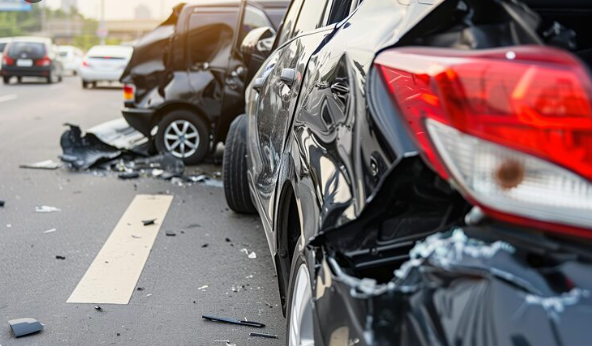
Car Accident Compensation: Common Mistakes That Can Reduce Your Claim
Car accident compensation can help cover losses after a crash. However, many people make simple mistakes after an accident. These mistakes may make an accident claim harder to prove. They may also affect the value of an insurance settlement. After a crash, it is easy...

Should You Accept the Insurance Company’s First Settlement Offer?
If you have been injured in an accident, receiving an insurance settlement offer may feel like a relief. After medical bills, lost income, and stress, you may want to accept the money and move forward. However, the first offer from an insurance company is not always...

Arizona Dog Bite Laws Phoenix: What Victims Need To Know About Liability, Deadlines, And Settlements
Arizona dog bite laws phoenix can make or break your claim, especially in the first days after an attack. Arizona offers strong protections for bite victims, but you still must follow the rules, preserve evidence, and meet strict deadlines. If you were bitten in...
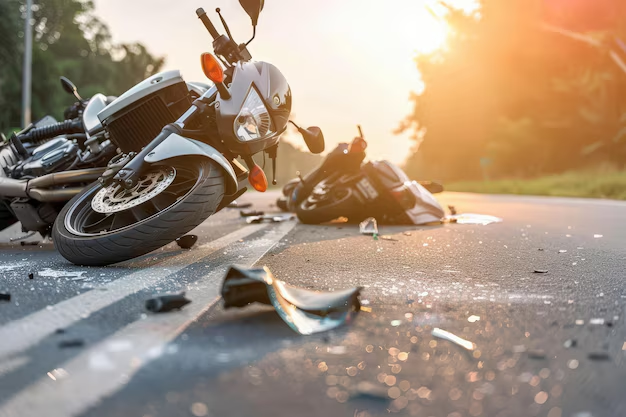
Motorcycle Accident Attorney Phoenix: Why Claims Are More Complicated In Phoenix
If you were hurt in a crash, a motorcycle accident attorney in phoenix can help you avoid costly mistakes from day one. Motorcycle claims are not handled like car wreck claims. In Phoenix, insurers often fight harder, question injuries more, and push blame...
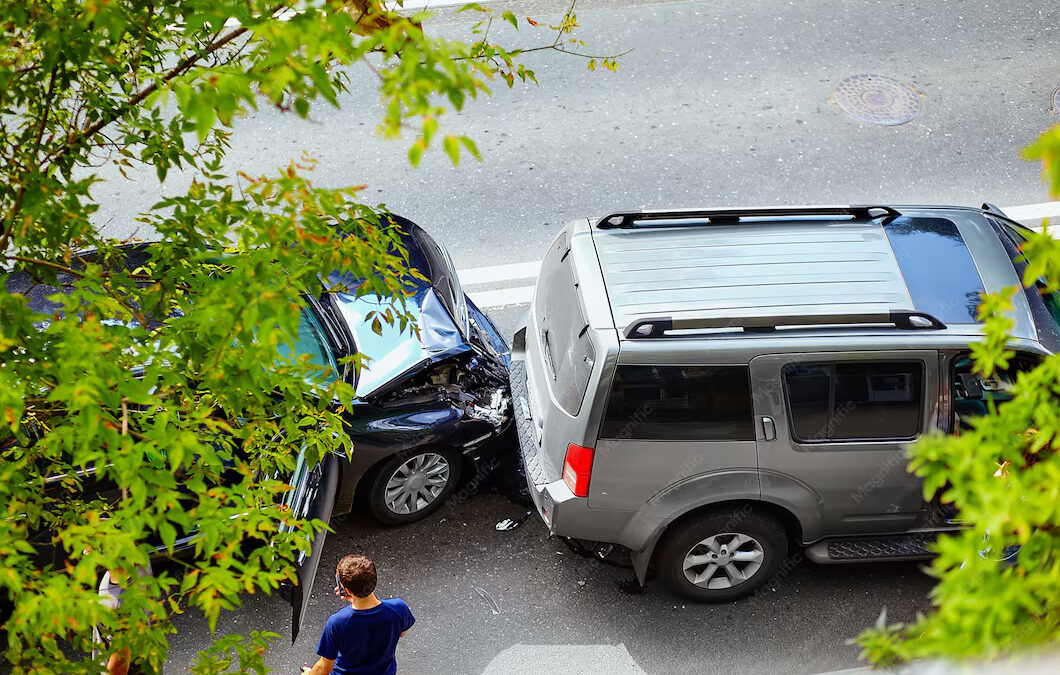
Car Accident Steps Phoenix: What To Do Immediately After A Crash (Step-By-Step)
The steps to take after a Car accident phoenix can feel overwhelming in the moment. However, what you do in the first minutes and the first few days can protect your health and your claim. This guide explains the exact steps to take after a crash in Phoenix, AZ,...