How Insurance Contracts Handle Property Damage in a Car Accident
>Insurance coverage on your vehicle is split into two different parts: liability coverage and collision coverage (often referred to as “full coverage”). Liability coverage is insurance coverage that relates to damages to another vehicle in the case you are at fault in the accident. If you crash into another vehicle at the fault of your own, and the other vehicle sustains property damage, your insurer will cover the costs of repairing the damage to the other vehicle. Collision coverage, or full coverage, is comprehensive coverage that covers all sorts of damage, including damage to your vehicle whether you are at fault or not, as well as things such as glass repair or theft. If you sustain property damage to your vehicle in any sort of accident, whether you are at fault or not, your insurance company will cover the damages to your insured vehicle. Many insurance contracts will also cover the cost of a rental vehicle while your vehicle is being repaired.
What You Should Do If You Sustain Property Damage in a Car Accident
If you have sustained property damage after a car accident, there are a few things that Lebovitz Law Group believes are important for you to know so that you can take the proper steps:
- Assess the damage to your vehicle, and document all the damage with pictures and video. Take note of any damage, even scratches, that was not there before the accident. Also, take note of things like whether your car can be driven off the scene of the accident, whether the airbags have deployed, or whether the car needs to be towed to a repair shop.
- File a claim with your insurance company, whether the accident was your fault or not. Once the car is at the repair shop, the auto repair company will assess the cost of the damages. They will then relay this cost to the insurance company, which will then decide whether your insurance policy will cover the cost of repairs or deem your vehicle a total loss. Make sure to remain in communication with the insurance company and the auto repair shop.
- If the insurance company will cover the cost of repairs, you will then need to pay your deductible. If you were not at fault, the at-fault driver’s insurance carrier will be responsible for paying for the cost of repairs, and your deductible will be reimbursed to you from the at-fault insurance carrier.
- If the cost of repairs is very high compared to the market value of your vehicle, then your car may be deemed a total loss. If your vehicle is deemed a total loss, then the insurance company will pay you the cash value of your car before the accident also known as the “fair-market value” of the car. Do independent research on the value of your car to determine whether the insurance company has offered you a “fair value” for your vehicle. This can be done in a variety of ways, through internet research, telephone calls and various other methods.
- If the money you receive in an insurance settlement is less than the value of an outstanding loan on your car, then you will still be responsible for paying off the remainder of your outstanding loan. You will then need to open up a Gap claim. Gap insurance coverage is coverage that can be purchased prior to any accident that will cover any gap between an insurance settlement and an outstanding loan balance.
Call Lebovitz Law Group to Get Help with Your Property Damage Today!
Lebovitz Law Group is an expert firm that specializes in all aspects of your car crash case. Our dedicated and expert legal team can help you with getting your property damage covered and getting back on the road. Call us today to speak to one of the members of our legal team!
Sort by Category
Related Posts

Why Bicycle Accident Injuries Are Often More Severe Than Expected?
Bicycle accident injuries are often more severe than expected because cyclists have little physical protection during a crash. Even with helmets and safety precautions, riders are highly exposed to direct impact with vehicles, pavement, or other objects, which can...
Medical Bills Piling Up After Your Arizona Accident? Here’s What to Know
you're dealing with paying medical bills after accident Arizona cases, you may not have to pay all expenses out of pocket immediately. Health insurance, medical liens, payment plans, and settlement compensation are common ways accident victims manage medical costs...

Hidden Dangers: Where Most Phoenix Slip and Falls Actually Happen
Every year, thousands of Phoenix residents suffer injuries from slip and fall accidents in seemingly ordinary places. While many people associate these incidents with icy sidewalks or obviously hazardous conditions, the reality is that most slip and falls occur in...

Uninsured Driver Hit Me in Phoenix: What Are My Options?
Getting hit by an uninsured driver in Phoenix can feel like a nightmare scenario. You're injured, your vehicle is damaged, and the person responsible has no insurance to cover your losses. If you're dealing with an uninsured driver accident in Phoenix, Arizona,...
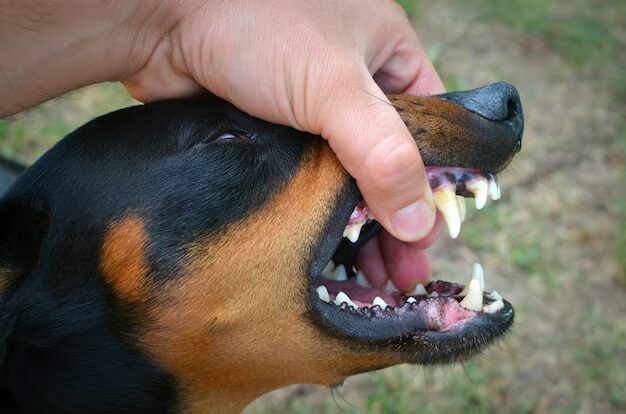
Dog Bite Scarring and Disfigurement: Understanding Your Compensation in Phoenix
When a dog attack leaves permanent scars or disfigurement, the physical wounds are only part of the story. Beyond the initial trauma, victims face years, sometimes a lifetime of psychological distress, costly medical treatments, and social challenges that can...
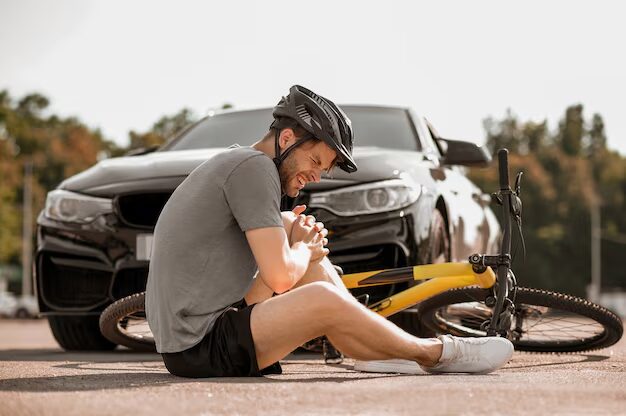
Dooring Accidents in Phoenix: When a Car Door Hits a Cyclist
Cycling through Phoenix's expanding network of bike lanes should be safe, but one dangerous scenario continues to injure dozens of cyclists every year: dooring accidents. This occurs when a parked vehicle's driver or passenger opens their door directly into the path...